
I get it. You’re on the hunt for the perfect lens to make your food photography stand out. It’s a bit like trying to find the perfect ingredient that turns a good subject into an unforgettable one. I understand because I’ve been there. Choosing the right lens can feel overwhelming, but it’s also one of the most crucial decisions you’ll make.
Jump to:
In this guide, I’ve shared t he key things you need to know when choosing a lens for food photography. From understanding why the right lens matters to breaking down some of the technical terms, the goal is to help you make a more confident choice.
So let’s dive in together and explore which lens might be the best fit for your food photography.
Why the Right Lens is Everything in Food Photography
When I first grabbed a camera to capture the beauty of food, a truth hit me hard: not all lenses are created equal. This isn’t about zooming in or framing a wider scene. It’s way deeper — it’s about crafting a narrative. Honestly, changing your lens can change your story.
Think of a lens as the eye through which your subject is seen. Choose the wrong one, and your images may struggle to capture the richness of what’s in front of you. But when the right lens aligns with your creative vision, everything changes. Colors get more vibrant, textures stand out, and each image gently invites the viewer to take a closer look.
To get most out of your lens choice, it also helps to understand Manual Mode in food photography so you can control Aperture, Shutter Speed, and ISO with confidence.
Choosing a lens is more than just a technical decision. It shapes your style, influences your composition, and plays an important role in how your food photography is presented.
Cropped Sensor or Full-Frame Camera: What You Need To Know
Before we move forward, there’s an important question to consider: does your camera use a full-frame sensor or a crop sensor? This detail matters, because it affects how your lens behaves and how your images are framed.
Full-Frame Cameras
- What you see is what you get: On a full-frame camera, a 50mm Lens provides a field of view typically associated with that focal length. Compared to crop-sensor cameras, this means a wider view and the ability to include more of the background in your frame.
- Beautiful background blur (bokeh): Full-frame sensors can make it easier to achieve a Shallower Depth of Field, helping create that smooth background blur (bokeh) that makes the subject stand out.
Cropped Sensor Cameras
- A tighter field of view: Crop-sensor cameras capture a narrower portion of the scene. For example, a 50mm lens on a crop sensor provides a field of view similar to a 75mm lens on a full-frame camera, making your subject appear closer and filling more of the frame.
- Budget-friendly: Crop-sensor cameras are often more affordable than full-frame models, making them a practical entry point for photographers looking to improve their food photography without a large investment.
Choosing Your Lens: A Balancing Act
Your sensor size doesn’t just affect the angle of view — it also influences Depth of Field, low-light performance, and overall image quality.
Here’s the key idea:
- Full-Frame Cameras: These sensors often perform better in low-light and make it easier to achieve a Shallow Depth of Field, helping create strong subject separation.
- Crop-Sensor Cameras: These Provide a tighter field of view, which can make your subject appear closer. This can be helpful when you want to fill the frame without needing longer telephoto lenses.
Remember
Some lenses are designed specifically for certain sensor sizes. Using a lens made for a crop-sensor camera on a full-frame camera can sometimes lead to vignetting or dark corners in your image.
So, before you rush off to pick your perfect lens, take a moment. Consider your camera’s sensor size. It’s the first step in a series of decisions that will define your food photography style.
Let’s Unlock the Lenses: Focal Length, Aperture, and More…
Choosing a lens for food photography? It’s about more than just the zoom. Let’s get into what makes a lens work for you, not against you.
Focal Length
Focal length, usually measured in millimeters (mm), is a key characteristic of a photographic lens. It does not refer to the physical length of the lens, but to the optical distance from the point where light converges inside the lens to the camera’s sensor (or 35mm film) when the lens is focused at infinity.
Key Points About Focal Length:
- Angle of View: Determines how much of the scene the lens can capture.
- Magnification: Affects how large or close subjects appear in the image.
- Longer focal lengths provide a narrower angle of view and greater magnification, making subjects appear closer.
- Shorter focal lengths provide a wider angle of view and lower magnification, capturing more of the scene.
What The Number Means:
- The number next to each lens description (e.g., 35mm, 50mm, 85mm) represents its focal length.
- This affects how the scene looks through the viewfinder and influences your frame composition.
Types of Lenses Based on Focal Length:
| Wide-Angle Lenses | Standard Lens | Telephoto Lenses |
| Short focal lengths (e.g., 35mm) Great for capturing larger food scenes or table setups because they provide a wider field of view. | 50mm Commonly used in everyday photography, offering a natural perspective that is similar to how the human eye sees a scene. | Longer focal lengths (e.g., 85mm, 100mm) — Provide a narrower field of view and make subjects appear closer. These lenses are useful for isolating details, and are commonly used in macro food photography when paired with a macro lens design. |
Impact of Focal Length on Field of View:
| Short Focal Lengths (Wide-Angle Lenses) | Long Focal Lengths (Telephoto Lenses) |
| They fit more into your frame, perfect for capturing the entire setup of your subject, including the ambiance around it. But beware, they can distort your food if you get too close. | Ideal for zooming in on those succulent details without disturbing the subject. They compress your image, making everything look closer together, which can be flattering for your food photos. |
Aperture/F-Number
Aperture, simply put, is the opening in a lens through which light enters the camera. It plays a crucial role in photography, much like a pupil does for the eye, by controlling the amount of light that hits the camera sensor. This not only affects the exposure of the image, but also impacts Depth of Field and focus.
Why It Matters:
- Light Entry: The wider the aperture, the more light reaches the camera sensor (and vice versa) — affecting the image’s exposure.
- Depth of Field: A wider aperture results in a Shallow Depth of Field, blurring the background and helping draw attention to the subject. On the other hand, a narrower aperture results in Deep Depth of Field, keeping more of the scene in focus.
Understanding F-Numbers:
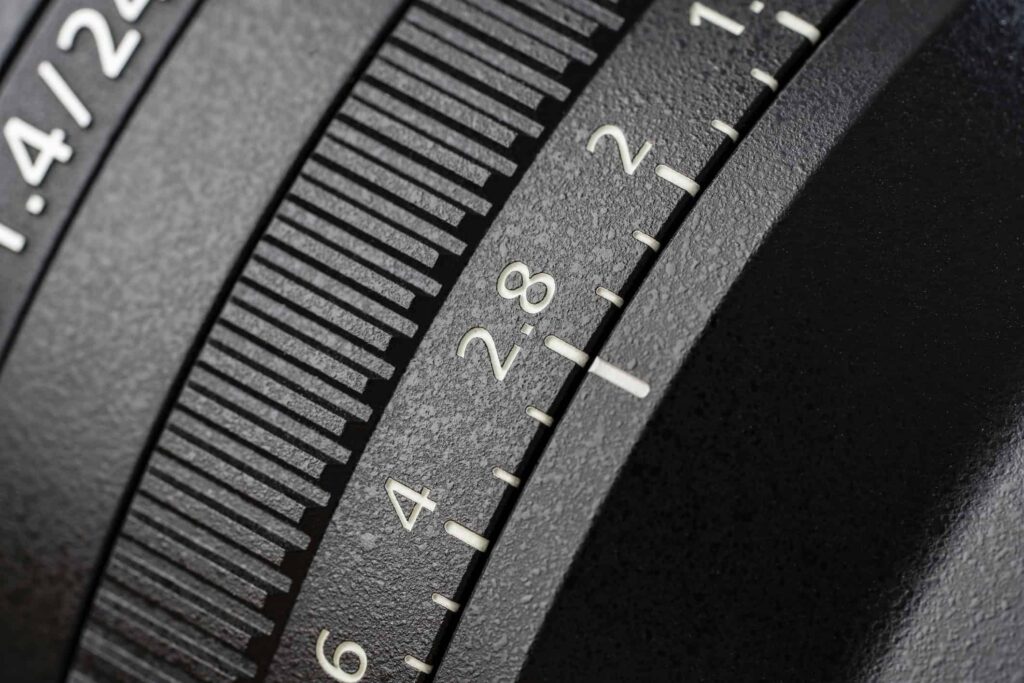
- Represented by values like f/1.4, f/2, f/2.8, f/4, f/5.6, f/8, f/11, f/16 and so on.
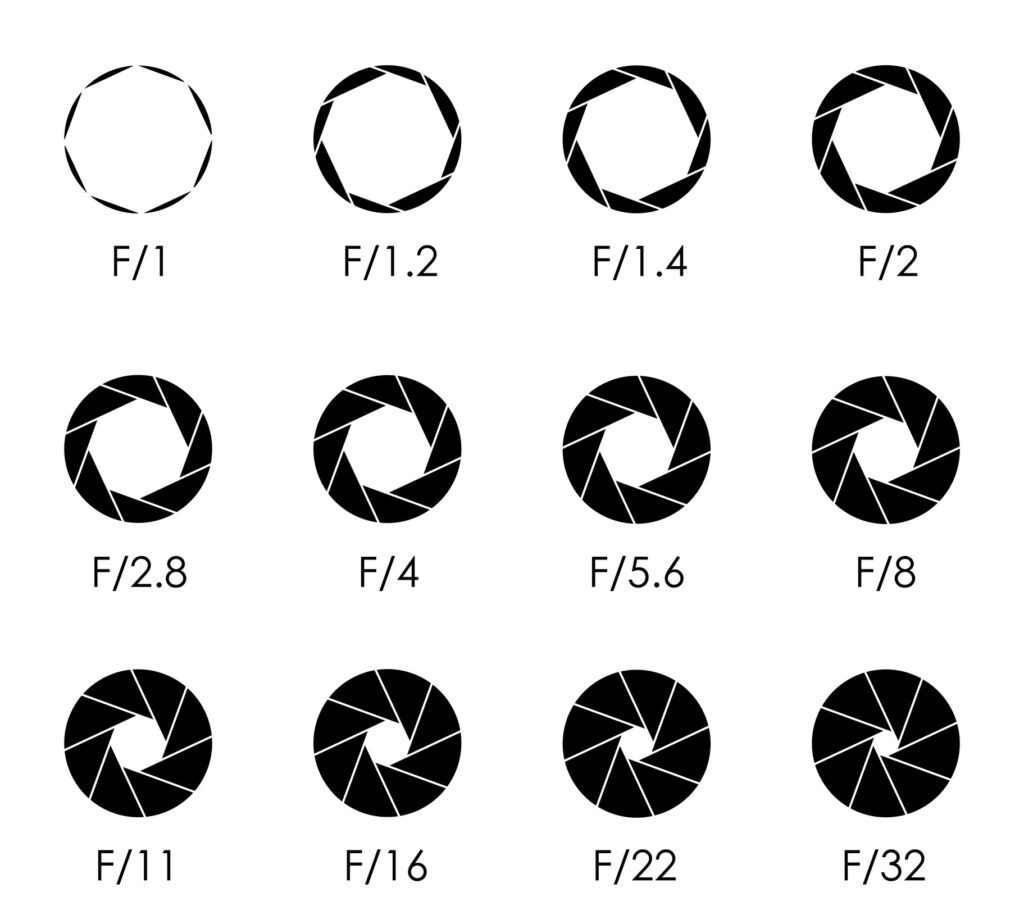
| Low F-Numbers | High F-Numbers |
| Low F-numbers (like f/1.4, f/2) let in more light — creating Shallow Depth of Field (illustrated in diagram below). This is great for low-light conditions and gives you that creamy background blur (bokeh) that makes your subjects stand out. | High F-numbers (like f/15, f/22) let in less light — creating Deep Depth of Field (illustrated in diagram below). Need everything sharp and in focus? High f-numbers (like f/16, f/22) are your go-to. They’re perfect for shots where you want to showcase every detail in the frame. |
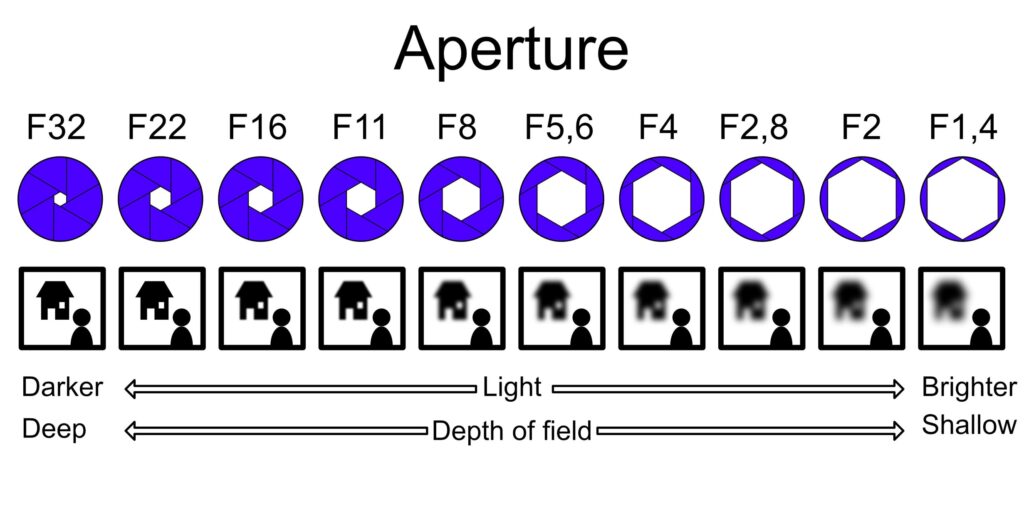
Image Stabilization
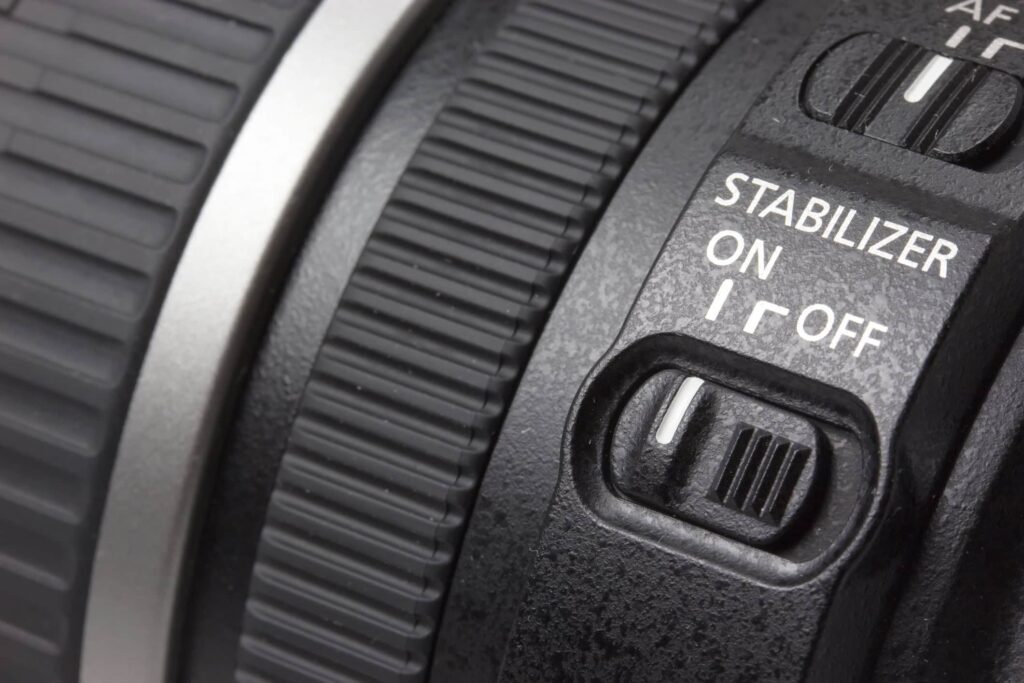
Got shaky hands? Image stabilization (IS) is here to save the day. This feature compensates for any minor movements, ensuring your photos come out sharp, even under less-than-ideal lighting.
Image stabilization pertains to the stability of a camera’s optical system during capture. Without a stable system, photos can turn out blurry, compromising the overall image quality.
Compression and Distortion
- Compression: Telephoto lenses can create a compressed look in your scene, making elements appear closer together. This effect can give your food photos a more cozy and intimate feel, especially when isolating your subject from the background.
- Distortion: Wide-angle lenses can distort your subject when used too close, making some parts of the subject appear larger than they actually are. They can also stretch elements in the scene, making background objects look smaller or farther away. For this reason, I often avoid using very short focal lengths for close-up food photography.
In the world of food photography, understanding these lens characteristics can make a real difference in how your images turn out. The right lens helps you capture now just the appearance of the food, but also its texture, mood, and detail. Take the time to explore your options, do your research, and choose a lens that supports the kind of stories you want to tell.
Prime vs. Zoom: A Lens for Every Scene
In the quest for the perfect food photo, one of the first crossroads you’ll come to involves choosing between a Prime Lens and a Zoom Lens. Both have their place in your camera bag, but understanding their strengths can help you pick the right tool for each subject you’re trying to showcase.
Prime Lenses: The Specialists
| Sharper Images | With a simpler optical design and fewer glass elements, many prime lenses are known for producing very sharp images. This can help highlight fine textures and details of your food photography. |
| Wider Apertures | Prime lenses often offer wider apertures, making it easier to blur busy backgrounds and keep the focus on your main subject. This can create a soft background blur, often referred to as bokeh. |
| Lightweight Design | Prime lenses are usually smaller and lighter than zoom lenses, making them easier to handle during longer shoots. |
Zoom Lenses: The Versatile Warriors
| Flexibility in Framing | With the ability to cover a range of focal length, zoom lenses allow you to adjust your composition without moving your camera position. |
| One Lens, Many Shots | Instead of switching lenses for different compositions, a zoom lens can cover everything from wider scenes to tighter close-ups, which can save time during a shoot. |
| Cost-Effective | Investing in a good zoom lens can sometimes be more cost-effective than buying multiple prime lenses, especially if you want versatility while building your lens collection. |
Making the Choice
Consider the type of food photography you do most often. Do you enjoy capturing the fine details of a subject, focusing on textures and small elements? Or do you often find yourself changing perspectives, wanting to photograph both the subject and its surrounding scene with the same shoot?
- For Detail Lovers: A prime lens will satisfy those who love diving into the intricacies of food, where every sprinkle and drizzle matters.
- For Dynamic Shooters: If your shoots involve a variety of angles and compositions, or you’re often working in unpredictable spaces, a zoom lens offers the adaptability you need.
The best approach is to assess your specific needs, consider the types of subjects you photograph most, and choose the lens that will help you tell those stories most effectively. And, if possible, try before you buy — renting lenses can offer a taste of what each type can bring to your photography, without the full commitment.
The Lenses
1. The 35mm Lens
| Best Uses | Ideal for flatlays or overhead food photography, particularly on crop-sensor cameras. It can also work well on full-frame cameras when capturing larger flat lays or table scenes. |
| Strengths | – Provides enough space to include contextual details and storytelling elements. – Useful for capturing wider overhead compositions and full table setups. |
| Challenges | Requires careful composition to ensure the main subject remains the focal point within a wider scene. |
| Drawbacks | When shooting very close to your subject, wide-angle lenses like 35mm can introduce distortion, causing elements to appear stretched or slightly out of proportion. |
Note
Both the 35mm and 50mm lenses are suitable for overhead shots where a Shallow Depth of Field is not critical.
2. The 50mm Lens
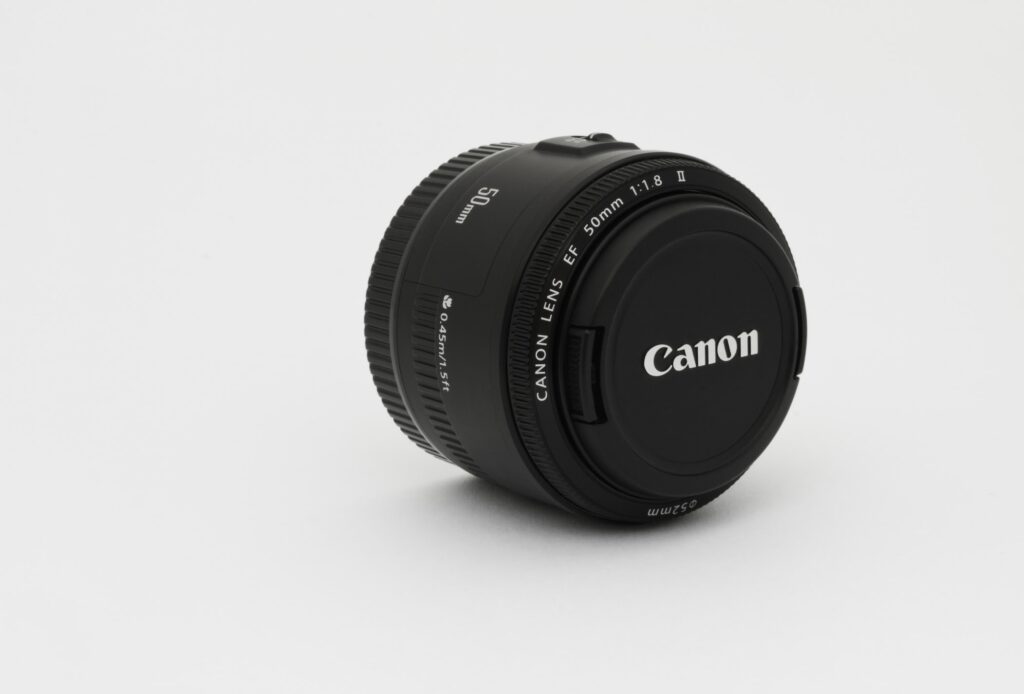
| Ideal for | Food photography on both full-frame and crop-sensor cameras. It creates soft background blur and often performs well in lower light thanks to its wide maximum aperture. |
| Versatility | – Works well for flatlay/overhead shots,straight-on shots,and 45-degree angles. – Allows room for additional elements or negative space, which can be useful for styling or adding text later. |
| Advantages | – Great for achieving a Shallow Depth of Field, helping your subject stand out from the background. – Often offers excellent image quality at an affordable price, making it a popular first lens upgrade from a kit lens. |
| Limitations | Not ideal for very close-up shots, as most 50mm lenses cannot focus at extremely short distances. For detailed close-ups, a macro lens is usually a better choice. |
3. The 24-70mm f/2.8 (Zoom Lens)
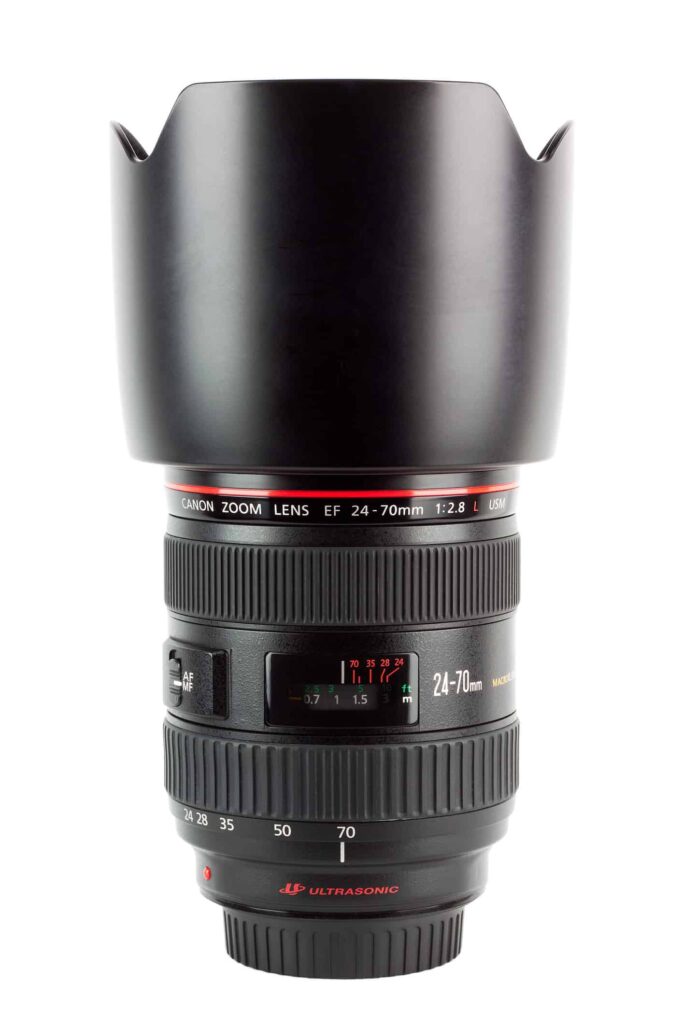
| Main Advantage | Versatility and flexibility across different types of photography, including food, street, and portrait photography. |
| Key Features | – A wide f/2.8 aperture, useful in a variety of lighting conditions. – A focal length range from 24mm to 70mm, covering wide-angle scenes to short telephoto perspectives. |
| Benefits | – Allows you to explore multiple focal lengths without changing lenses. – The wide aperture makes it possible to achieve a shallow depth of field, helping your subject stand out against a softly blurred background. |
| Consideration | This lens can be expensive, but many photographers consider it a worthwhile investment because of its versatility and image quality. It’s often used as a primary lens for a wide range of photography situations. |
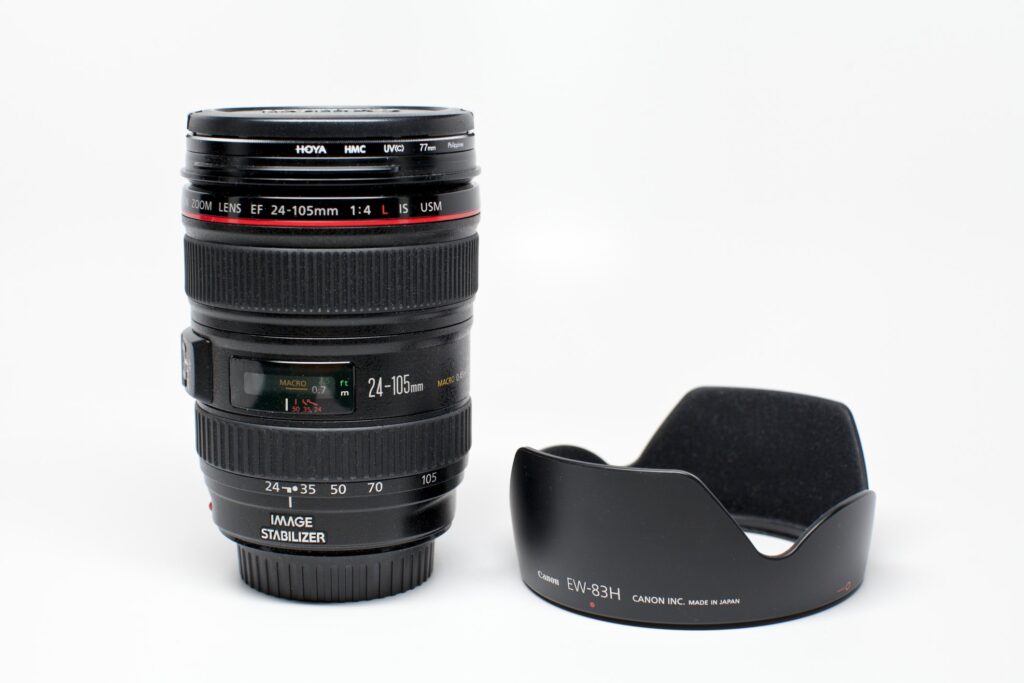
4. The 24-105mm Zoom Lens
5. 100mm or 105mm Macro Lenses
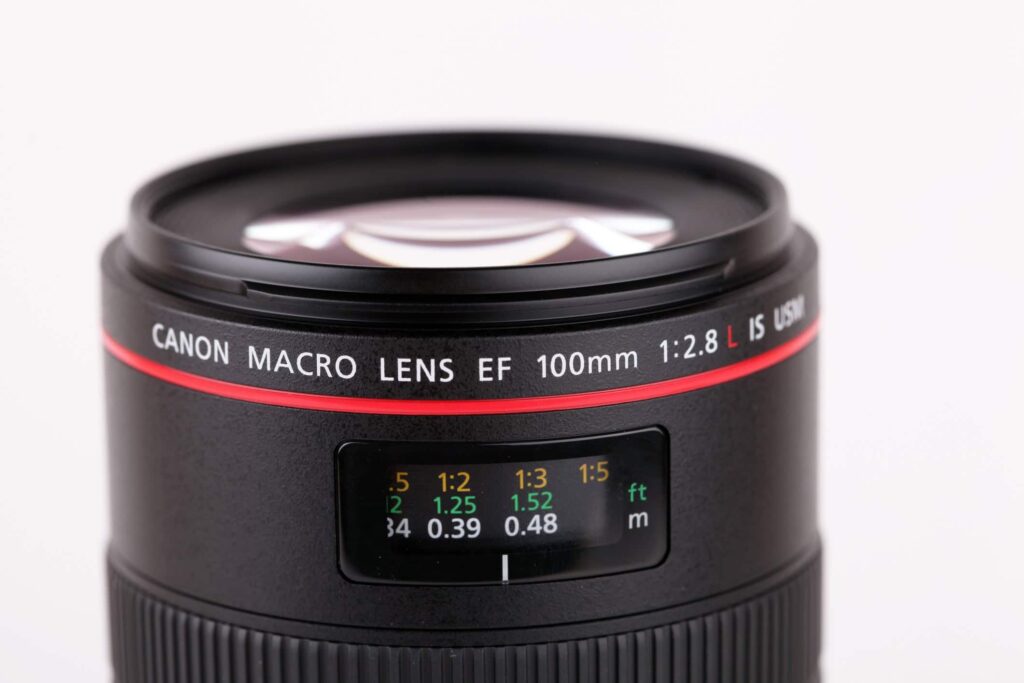
| Ideal for Detail | These lenses are often considered workhorses of food photography, especially when. capturing fine textures and close-up details. With a 1:1 magnification ratio, macro lenses can reproduce your subject at life size on the camera sensor, allowing you to photograph intricate elements such as crumbs, textures, or garnishes. |
| Usage Tips | – Because macro photography produces a very shallow depth of field, using a slightly higher f-number (such as f/8–f/16)can help keep more details in focus. – Pay close attention to styling — macro lenses reveal every tiny detail, including imperfections. |
| Requirements | – A sturdy tripod and good lighting are extremely helpful when working with macro lenses. – Since depth of field becomes very narrow at close distances, learning techniques like focus stacking can help keep more of the subject sharp. |
6. Tilt-Shift Lens
| Why Choose It | Tilt-shift lenses are popular in commercial food photography because they allow precise control over focus and composition. |
| How It Works | Tilt: Changes the plane of focus, allowing you to control which parts of the scene stay sharp. Shift: Moves the lens position without moving the camera, helping you refine composition and framing. |
| Benefits | – Greater control over depth of field and focus placement. – Useful for product shots, packaging, and images that require space for text. – Helps maintain clean compositions without repositioning the camera |
| Tip | Tilt-shift lenses are expensive, so many photographers start by renting one to experiment and understand how it affects focus and composition. |
My Preferred Lens and Its Impact
The Star: The 100mm Macro Lens
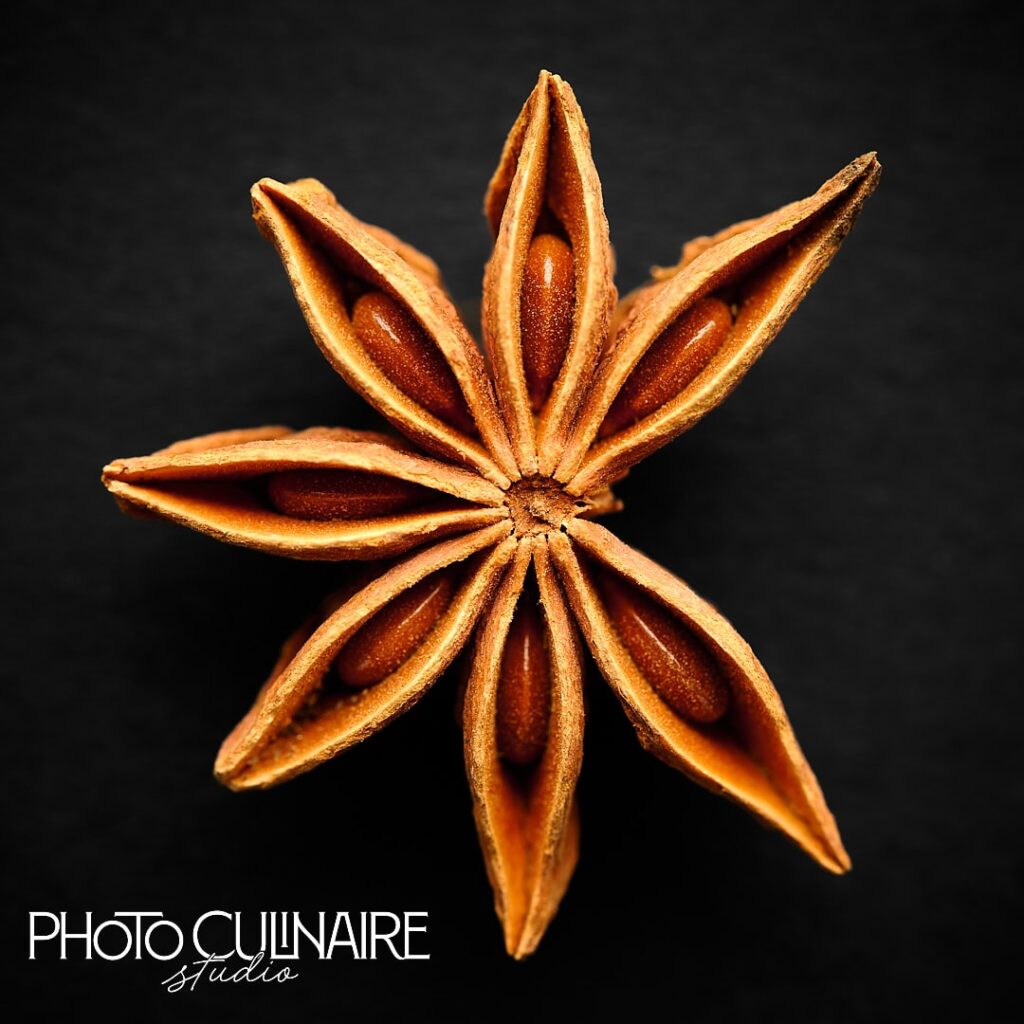
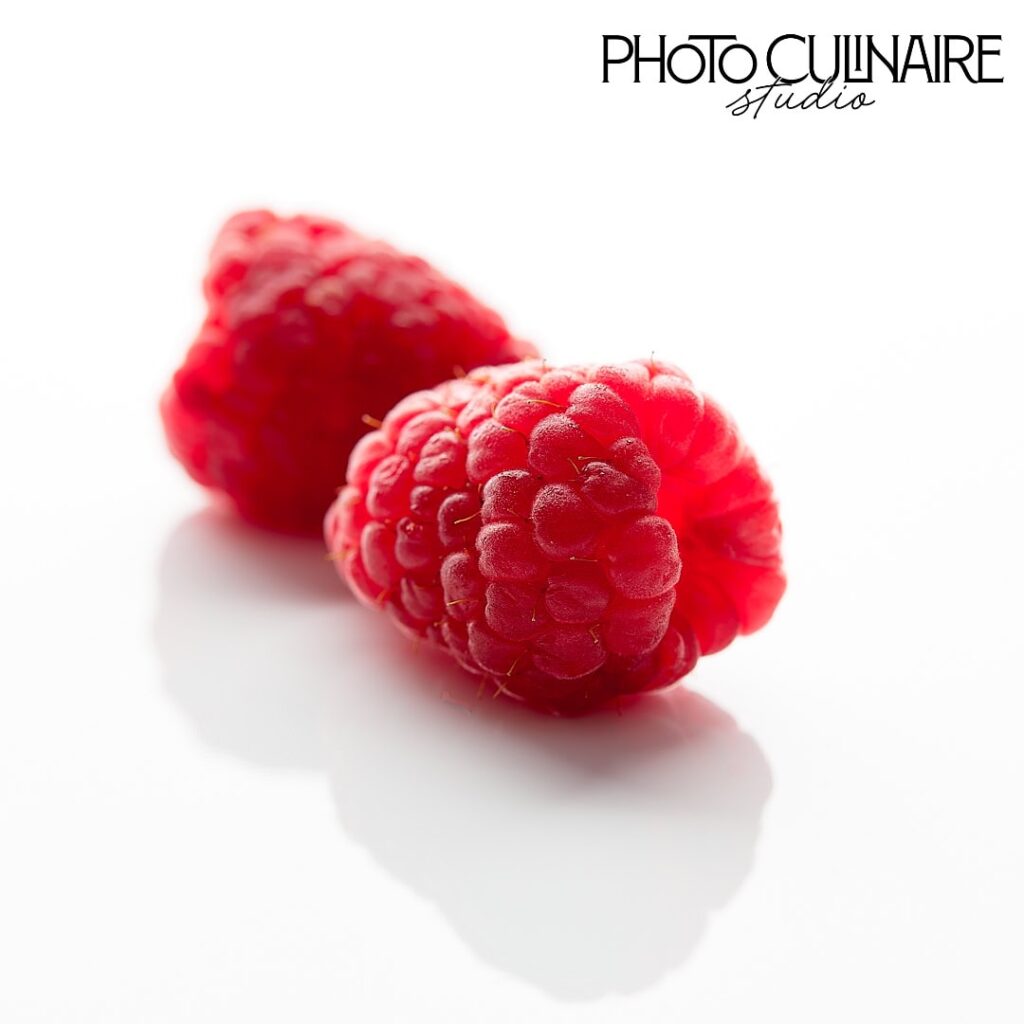
Primes have my heart. Their ability to capture food with such clarity and depth is unmatched. While zoom lenses like the 24-70 or 24-105 bring versatility, prime lenses excel in the still life that food photography often entails.
For me, the 100mm macro lens stands out as the top choice in the food photography scene. It’s not merely a lens; it acts as a gateway to the microscopic world, revealing details in food that are invisible to the naked eye. It elevates simple ingredients into a visual masterpieces.
Reasons for My Choice:
- Precision: The sharpness and detail it captures in food are extraordinary. It brings out the texture and color in every subject, making each photo a discovery.
- Flexibility: Despite its macro label, it’s surprisingly versatile, adept at capturing stunning food portraits without the common distortion found in other lenses.
- Background Blur: The bokeh effect it creates makes the food the focal point, beautifully blurring out distractions.
The Value of Quality
Admittedly, the 100mm macro comes with a higher price tag. However, its value in versatility, sharpness, and the aesthetic appeal it adds to photos makes it a worthy investment.
This lens has encouraged me to focus more on the subtle beauties of food, and has become indispensable in my photography toolkit for its consistent performance in producing captivating images.
Rent Before You Commit: The Smart Photographer’s Move
Stepping into the world of professional food photography, one key strategy can save you time, money, and heartache: renting lenses before you commit to purchasing them. This approach offers a buffet of benefits, allowing you to:
Test Drive Various Lenses
- Experience Over Specs: Reading about lens specifications is one thing, but getting hands-on experience? That’s where you truly understand how a lens performs with your camera, in your typical shooting conditions.
- Find Your Fit: Each lens has its own character and strengths. Renting lets you discover which lens feels like an extension of your vision.
Expand Your Creative Horizons
- Break Your Routine: Using a variety of lenses can push you out of your comfort zone, encouraging creativity and experimentation in your work.
- Adapt to Specific Projects: Certain subjects or projects might call for a lens you wouldn’t normally use. Renting gives you the flexibility to match the lens to the task without altering your permanent collection.
Conclusion
If you want to grow in food photography, the equipment you use can make a real difference. While creativity and practice mater most, choosing the right lens for food photography can help you capture sharper details, better textures, and more compelling images.
I hope this guide helps you find a lens that fits your food photography style and creative goals.
Now I’d love to hear from you: Which lens do you currently use for food photography, or which one are you thinking of trying next? Share your thoughts or questions in the comments below.
. . . . .