
Diving into the world of food photography, you’re faced with a choice that could redefine the quality of your images: RAW vs JPEG. Which one will take your food photography from good to mouthwateringly great? If you’ve ever found yourself puzzled over this decision, you’re not alone. I was once a steadfast JPEG shooter, unaware of the transformative power RAW held over my food images. It was a revelation that changed my photography game forever.
Jump to:
Ready to see how switching to RAW could revolutionize your food photography? Let’s dive in and discover the format that will truly let your work shine.
The Essence of RAW and JPEG Formats

Stepping into the world of food photography isn’t just about snapping pictures of food; it is about weaving a narrative. The choice between RAW or JPEG is more than technical — it is about how vividly you can tell that story. Let’s break down what sets these two apart, and why it is crucial for your culinary masterpieces.
RAW Files: The Unprocessed Gems
- Uncompressed & Unprocessed: Imagine RAW as the digital version of a film negative — full of untapped potential.
- Highest Quality Images: Offers a wide canvas for post-processing without losing an ounce of quality.
- Dynamic Range & Colors: Captures a broader spectrum, allowing you to tweak and adjust to your heart’s content.
Remember
RAW files always need to be converted and edited before they can be used.
RAW files aren’t quite ready to serve out of the camera. They require a good photo editing software to bring out their best. Programs like Capture One, Adobe Lightroom, and Adobe Photoshop are top choices for photographers. Personally, I lean towards Capture One for its intuitive features and robust capabilities.
JPEG Files: The Ready-to-View Prints
- Processed & Compressed: Convenient and ready to share, but at what cost?
- Smaller in Size: Great for storage and sharing, yet this convenience comes with a price — loss of detail.
- Limiting for Post-Production: If you’re looking to fine-tune, JPEG might not be your best friend.
Why Does This Matter in Food Photography?
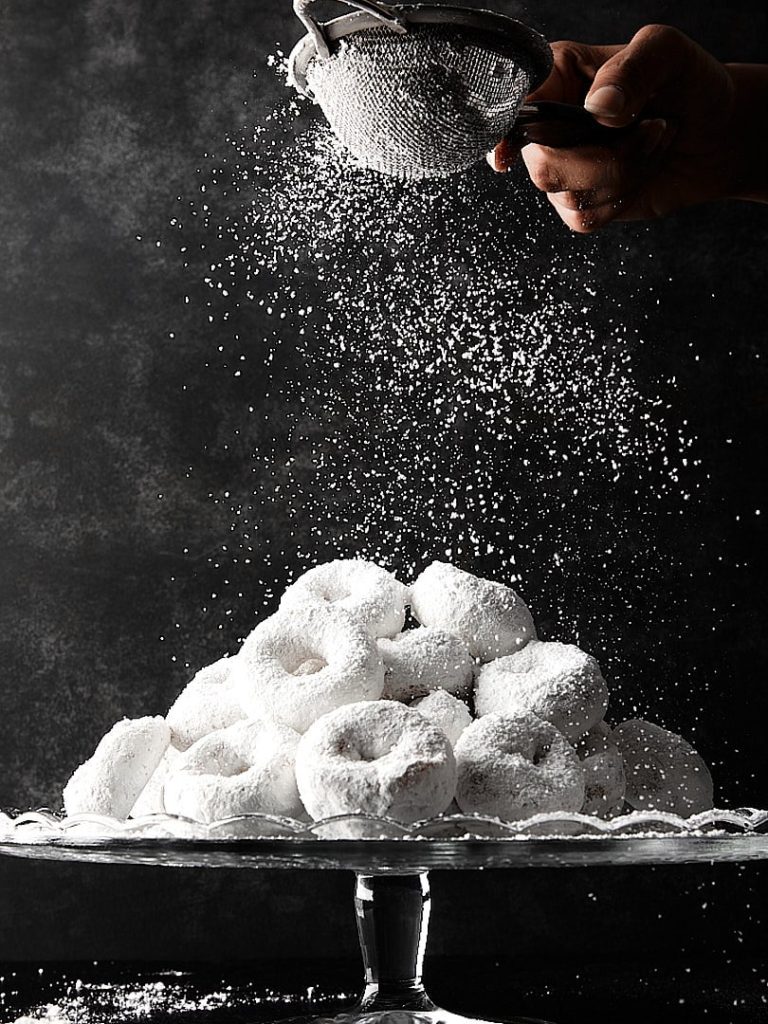
Every subject tells a story, from the glistening of a glazed donut, to the vibrant hues of a fresh salad. RAW hands you the reins to enhance these details, making your images as delectable as the subjects themselves. JPEG, while handy, might not always serve justice to your food photos.
This choice isn’t just technical; it’s about the freedom to fully express your creativity. Stay tuned as we delve deeper into how RAW and JPEG can impact the quality and flexibility of your food photography, ensuring every shot not only captures the food, but the passion and artistry behind it.
1. Quality and Flexibility: The RAW Advantage
When it comes to bringing out the best in your food photography, the devil is in the details. Let’s dive into how RAW and JPEG differ in terms of quality and flexibility, and why these differences might just make RAW your go-to format.
Unleashing the Highest Quality
| RAW | JPEG |
| Captures everything the camera’s sensor sees, in all its glory. You get images rich with detail, ready for you to bring to life in post-production. | This is where the camera makes some decisions for you, compressing the image and, unfortunately, leaving some details behind. |
Flexibility in Post-Production
| RAW | JPEG |
| Capturing images in RAW format is like having a complete digital editing studio at your disposal. With RAW, you’re the chef in the kitchen, with every ingredient at your disposal to make the dish (or image) exactly how you envision it. – Exposure Adjustments: Fix those slightly off images without a hitch. – White Balance Tweaks: Make your food look as warm or cool as you like, post-shoot. – Noise Reduction: Keep the focus on the texture of your food, not the graininess of the image. | Think of it as getting a meal prep kit. Some choices have been made for you, limiting how much you can alter the final dish. |
Why RAW Wins for Food Photography
- Detail Preservation: Every sprinkle on a donut, every steam wisp from hot food — RAW keeps these details intact.
- Editing Latitude: From minor tweaks to major overhauls, RAW files are forgiving and flexible.
- Quality Retention: Make extensive edits without degrading your image. RAW files are resilient.
In the realm of food photography, where every detail contributes to the allure of the image, RAW format is akin to having a full pantry of ingredients. JPEG, while convenient for quick sharing, often falls short in delivering the same level of depth and flexibility.
Choosing RAW means choosing to capture your subjects in the best light possible, with all the tools you need to adjust, refine, and perfect your images post-shoot. It’s about giving yourself the creative freedom to ensure that what you envisioned in your mind’s eye is what appears on the screen — and, eventually, what captivates your audience.
2. Noise Reduction and Sharpness: The Clear Difference
In the quest for the perfect food photograph, two factors play pivotal roles: noise reduction and sharpness. Noise is what makes photos look grainy, pixelated or blurry, especially when it’s dark or you’re using a high ISO setting — which eventually negatively affects the sharpness and clarity of your images. These elements can make or break the visual appeal of your images. Let’s explore how RAW and JPEG handle these aspects, and why RAW often comes out on top.
Tackling Noise Like a Pro
| RAW | JPEG |
| Imagine having a magic wand that lets you smooth out noise without sacrificing detail. That’s RAW for you. With more data to work with, you can reduce noise effectively, keeping your images crisp and clear. | It’s a bit like trying to clean up a spill with a handkerchief. Sure, you can make some improvements, but you’re limited by what the camera decides to keep in the image. |
Sharpening the Details
| RAW | JPEG |
| RAW gives you the ultimate control over sharpening. You decide how sharp is too sharp, ensuring every texture in your food photography pops just the right amount. | The camera adds a pinch of sharpening for you, but it’s a one-size-fits-all approach. Sometimes, it’s just right; other times, it misses the mark, especially for the fine details in food textures. |
Why It Matters in Food Photography
- Texture and Detail: Food photography thrives on the textures and fine details — think of the sugar crystals on a cookie, or the delicate skin of a tomato. RAW ensures these details aren’t lost in translation.
- Visual Appeal: A noise-free, well-sharpened image invites viewers to taste with their eyes. It’s about making the image as appetizing as the subject itself.
- Post-Production Flexibility: With RAW, you’re in the driver’s seat. Adjust noise reduction and sharpening to your heart’s content, tailoring each image to perfection.
Choosing RAW over JPEG is like opting for a high-definition TV over standard definition. You get a clearer, more detailed picture that brings your work to life.
3. Brightness and Color: Capturing the True Essence
When it comes to food photography, capturing the true essence of a subject means getting the brightness and color just right. This is where the choice between RAW and JPEG becomes even more critical.
Brightness Levels: More Than Meets the Eye
In photography, brightness—or tonal levels—plays an important role in how smooth and natural your images appear. The more tonal information a file contains, the better it can capture subtle differences in light and shadow.
RAW files store significantly more tonal data than JPEG files. Most cameras record RAW images in 12-bit or 14-bit, meaning they can capture 4,096 to 16,384 tonal levels per color channel. This extra information allows for smoother transitions between tones and gives you more flexibility when adjusting exposure, highlights, and shadows during editing.
Why It Matters?
Scenes with soft lighting or strong contrast — like candlelight or vibrant desserts — can be challenging to capture. RAW files preserve more tonal detail, helping retain highlights and shadows while giving you greater flexibility during editing.
| RAW | JPEG |
| Raw captures a wider range of tonal information. This results in smoother transitions between tones, and helps your images look more natural and detailed. | JPEG is limited to a narrower range of tonal levels. While it can still produce good images, heavy editing may lead to issues like posterization or banding (where smooth transitions between tones start to break apart). |
The Vibrancy of Colors: A Feast for the Eyes
| RAW | JPEG |
| RAW preserves a wider range of color information, from deep reds to subtle yellows. This added color data helps you adjust and refine colors during editing, making your food images appear more natural and vibrant. | JPEG compresses color information, which can sometimes lead to less accurate colors or reduced subtlety in tones. While you can still adjust colors during editing, you’re working with less color data than with a RAW file. |
In food photography, brightness and color shape the final look of your images. Shooting in RAW preserves more tonal and color information, giving you greater flexibility when editing. JPEG may be convenient, but RAW offers more control when refining your photos.
4. Creative Freedom and Correction: The Artistic Edge
The final touch in our exploration of RAW vs. JPEG in food photography revolves around the creative freedom and correction capabilities each format offers. This is where your artistic vision comes into play, and the format you choose can significantly impact your ability to realize that vision.
| RAW | JPEG |
| Endless Editing Options: With RAW, your creative possibilities are boundless. Adjust exposure, tweak colors, or play with contrasts — all without degrading your image. | Fixed Choices: JPEG compresses and locks in certain choices, limiting how much you can alter an image afterwards. |
| Recovery of Details: Overexposed highlights or underexposed shadows? RAW files allow you to recover details that would be lost forever in JPEGs. | Loss of Detail in Editing: Making significant changes to a JPEG file can lead to noticeable loss of quality, especially if you’re trying to correct exposure or color balance. |
| Custom Presets and Filters: Apply custom presets or experiment with filters in post-production to create a signature style for your food photography. | A Narrower Creative Path: While JPEGs offer some room for editing, you’re walking a narrower path, constrained by the initial processing done in-camera. |
Crafting Your Masterpiece: The Choice is Yours
| RAW | JPEG |
| RAW offers the canvas, colors, and tools needed to bring your food photography vision to life, exactly as you imagine it. | JPEG provides a quick and convenient option, but may restrict your creative flow and detail refinement. |
In food photography, details and color matter. Shooting in RAW gives you greater flexibility to adjust and refine your images during editing while preserving important tonal and color information. JPEG can be convenient, but RAW provides more creative control.
5. Optimization for Prints: Ensuring Perfection
When your culinary masterpieces move from screen to print, every detail matters. RAW and JPEG handle this transition differently, impacting the final quality of your printed images.
| RAW | JPEG |
| RAW is the Printmaker’s Dream Easily adjust sharpness, contrast, brightness, and color profiles for print-ready results. | JPEG is Convenient but Compromised Convenient for immediate printing, but with less room for adjustments. |
| High-Quality Prints: With more data, RAW ensures prints come out vibrant and detailed. Note: RAW files can be converted to different color spaces, such as sRGB, Adobe RGB, or CMYK. This flexibility allows you to match the color profile to your printer and paper, helping ensure your prints look as intended. | Risk of Quality Loss: Compression artifacts may become noticeable in prints, lowering image quality. |
Takeaway
For prints that truly showcase your food photography, RAW offers greater control and quality, while JPEG prioritizes speed but provides less flexibility.
My Personal Recommendation: Embracing the Best of Both Worlds
After exploring RAW vs. JPEG in food photography, here’s my personal approach. Over time, I’ve found that shooting in RAW+JPEG offers the best balance of flexibility and convenience. It allows you to keep the editing power of RAW while still having ready-to-use JPEG files.
Why I Choose RAW+JPEG
- Immediate Access and Flexibility: JPEG files are ready to use right away, making them ideal for quick sharing or client previews. At the same time, RAW files are available for more detailed editing, allowing you to produce the highest quality images for final prints or portfolio work.
- Storage and Workflow Efficiency: While RAW files are larger, storage has become more affordable and accessible. Shooting in both formats helps maintain an efficient workflow while preserving the option for higher-quality edits later.
- Learning and Growth: Shooting in both formats has deepened my understanding of photography. It encourages a mindful approach to shooting, knowing I have the RAW file to fall back on for learning and improvement.
Tips for Adopting RAW+JPEG in Your Workflow
- Invest in Storage: Embrace cloud storage or invest in larger memory cards and hard drives. The benefits far outweigh the costs.
- Optimize Your Workflow: Use software that can handle both formats efficiently. Software like Adobe Lightroom and Capture One offer seamless workflows for managing and editing both RAW and JPEG files.
- Use JPEGs Wisely: Leverage JPEGs for quick tasks and social media. Save the RAW processing for images that require that extra touch or for clients demanding the highest quality.
Choosing between RAW and JPEG isn’t an either/or scenario. By shooting in RAW+JPEG, you harness the strengths of both formats, ensuring you’re prepared for any situation. This approach has transformed my food photography, offering both the convenience of JPEGs and the unparalleled quality of RAW.
Conclusion: Uplift Your Food Photography Game With RAW+JPEG
We’ve journeyed through the nuances of RAW vs. JPEG, uncovering the strengths and opportunities each format offers to food photography. You’re now equipped with the knowledge to make informed decisions, ensuring your food photos are as delicious visually as they are in reality.
Here are your key takeaways:
- RAW offers unparalleled quality and post-production flexibility.
- JPEG is great for quick sharing and requires less storage.
- Embracing RAW+JPEG gives you the best of both worlds.
Choosing RAW+JPEG isn’t just about workflow — it’s about keeping your options open. This approach ensures you’re ready for both quick uses: like social media posts, and more detailed work such as: high-quality prints or portfolio images. By capturing both formats, you gain flexibility without sacrificing quality. If you haven’t tried shooting in RAW+JPEG yet, it’s worth experimenting with — you may find it improves both your workflow and your results in food photography.
Ready to experiment with your workflow? Try shooting in RAW+JPEG and see how it changes the way you capture and edit your food photos. It’s a simple shift that can give you more flexibility and control over your images.
. . . . .