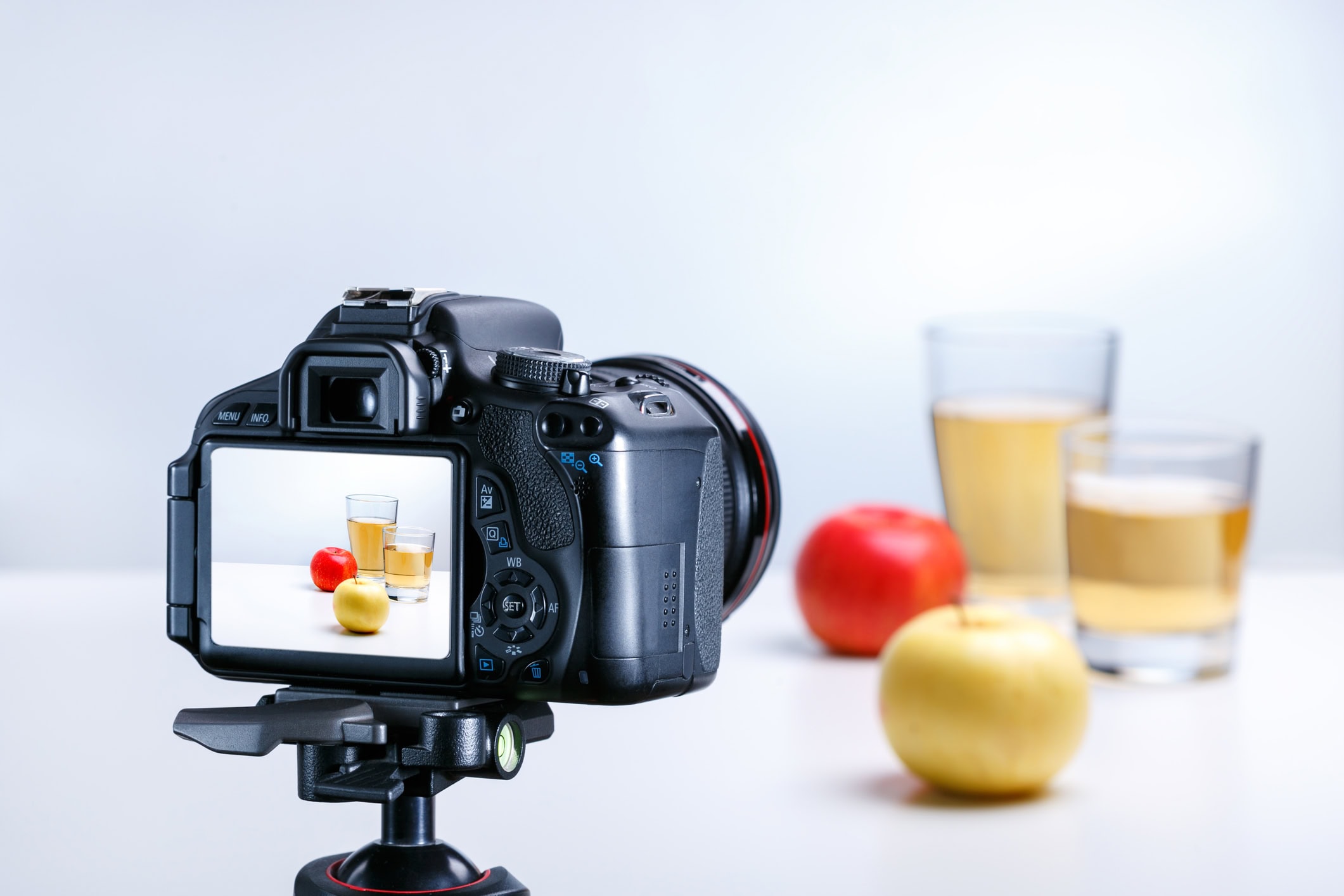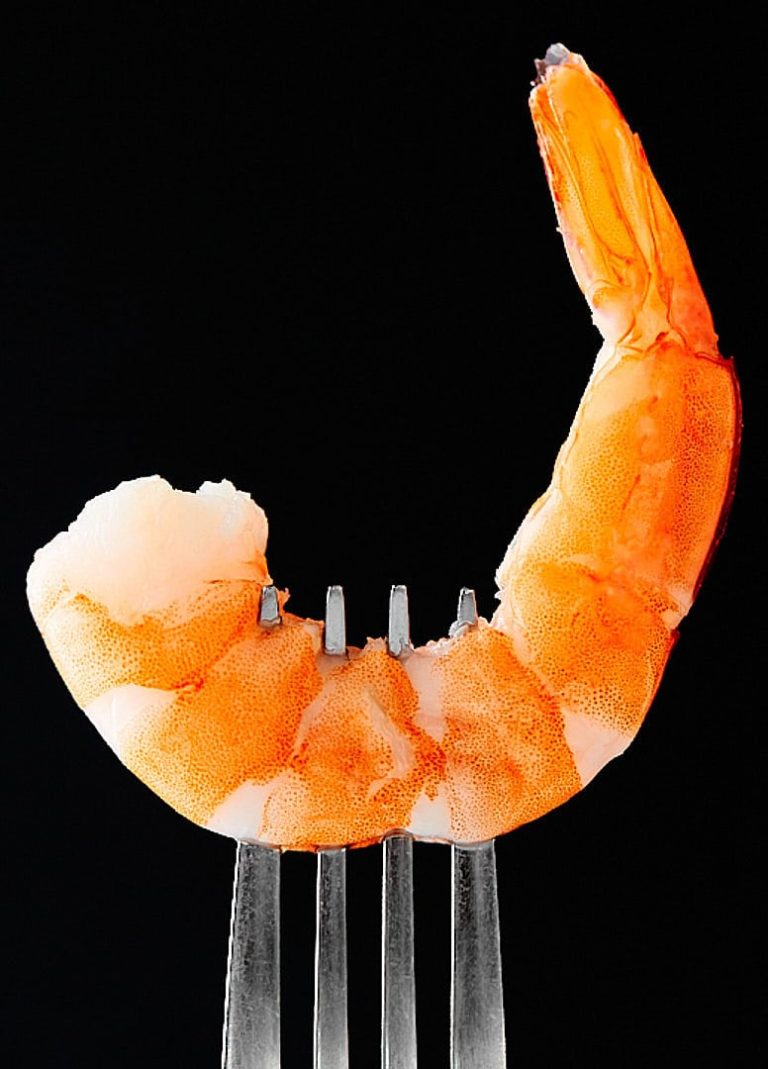

Still-life food images can be beautiful, but if you want to create truly compelling visuals and take your storytelling to the next level, consider adding a human element. Imagine a light dusting of flour on a baker’s hands, steam rising from a mug shared between friends, or the satisfied smile after a delicious bite. These small moments bring life into your frame. The human element adds emotion, tells a story, and makes your food images feel more inviting, relatable and irresistible.
Jump to:
Images that include a subtle human element are highly sought after across the food industry. Food brands, magazines, cookbooks, and even stock platforms often favor photographs that show a hint of human presence — such as hands serving, pouring, or interacting with the food. These images feel more relatable and immersive. They help viewers imagine themselves in the scene, connect emotionally with the moment, and better understand the scale or experience of the food.
For brands in particular, this kind of imagery is powerful because it turns a simple food photo into a story people can see themselves in.
Get Hands-On: Ways to Add the Human Touch in Food


Food photography is often all about the perfect lighting, great composition, technical skills and excellent creativity. But what if a little human touch actually makes your photos more appealing? Think about it: a half-eaten cookie, a drizzle escaping the spoon, a hand reaching for a steaming cup…that’s where the real magic happens.
Here’s how to tap into the human element:
- The Full Picture: Get creative. Incorporate actual hands in the shot, kneading dough, frosting a cake, or reaching for a steaming cup. Show the process and tell the story behind the deliciousness.
- Mystery & Movement: A blurred figure stirring something in the background adds intrigue and energy. Even a silhouette suggests the bustle of a kitchen.
- The Almost Bite: Nothing whets the appetite like seeing someone about to indulge in a half-eaten food. We instantly imagine ourselves taking that bite.
- The Written Word: Handwritten notes scrawled on a recipe card, or a grocery list adds a personal touch and a sense of story.
- Subtle Hints: Show arms and upper body reaching for a plate, legs and feet peeking out from under a table at a restaurant, or even a whole person, two people, or a group enjoying a meal in a wide-angle shot. These subtle hints spark our imagination and create a sense of connection.
Remember
Don’t be afraid of a little mess. A dusting of flour, or a stray crumb adds realism and warmth.
Let’s add a few techniques that pack a punch:
- Action & Process Shots: I love process and action food shots, they make food photos ultra dynamic. There’s something mesmerizing about seeing food in motion. Capture hands slicing, pouring, or sprinkling — the focus is the act of creating.
- Motion Blur Magic: Go for intentional blur. A figure passing by, a hand whisking something — it hints at a bustling kitchen, and adds a sense of life.
- Pour & Drizzle Shots: A drizzle of honey, a swirl of cream — these shots are pure eye candy. Just remember to nail the focus and capture those luscious details. These types of shots require some planning and preparation to ensure that they are well executed!
Pro Tip
To capture a perfect pour, use a fast Shutter Speed to freeze the motion, a smaller Aperture (higher f-number) to maintain enough depth of field, and focus precisely on the pouring liquid.
Why the Human Element is Your Secret Ingredient
Think about the most engaging food photos you’ve seen. Did they simply show the subject, or did they draw you into the moment? That’s the power of the human touch — it breaks the barrier between the viewer and the image, making the scene feel alive and inviting.


Here’s why it works:
- Relatable? Yes, please! When we see a hand reaching for food, or that first bite missing, we automatically put ourselves in the picture. That’s how you get people hungry, not just for the food, but for the experience.
- Storytelling Superpowers: Every subject has a story — who made it, the occasion behind it, or the mood of the moment. A subtle human presence adds depth to that narrative, sparking curiosity and interest. It also introduces a natural sense of scale, and helps viewers connect with the scene, making the image feel more relatable and engaging.
- Human Elements Boost your Sales: It may sound cold, but people buy from people. Including the human element makes your food tangible and desirable, boosting those all-important sales figures.
- Adds a Sense of Scale: Sometimes viewers need a frame of reference. A hand holding the food helps reveal its true size and scale.
- Standing Out in a Crowd: Food photos are everywhere, but how many linger in your memory? A person adds a unique twist, making your work instantly more memorable.
- The I want that! Effect: That hand pouring syrup on pancakes, those crumbs spilled beside a cookie…we live vicariously through those moments. It taps into our deepest food desires. Human touch unlocks a deeper connection with your images. Viewers start to empathize, imagining themselves in the scene and how they would interact with the food.
- Bridge the Emotional Gap from the Viewer to the Subject: Remember, your photo tells a story to someone who wasn’t there. The human element helps reduce that distance, making them feel like they are a part of the scene. Adding human elements to your food photos bridges the emotional distance between the viewer and the image. By seeing someone enjoying those chips, you can almost picture yourself reaching for a handful.
- Setting the Mood: The right human touch can completely transform the mood and vibe of your photo. Busy hands? Cozy and homey. A lone figure contemplating a pastry? Thoughtful and artistic. You’re in charge of the emotion.
Is it starting to make sense? Adding a little human touch isn’t just about aesthetics — it’s about connecting with your audience on a deeper level.
11 Bonus Tips for Mastering the Human Element in Food Photography
Food photography is about more than just the food itself — think of it like inviting someone into a delicious experience. Adding the human element is like opening the door and saying “Come on in, you’re going to love this!”.
Here are 11 simple yet transformative bonus tips to help you capture that magic:
1. Consider how the Light hits the Human Element
Beautiful food photos depend on good lighting, but when you bring hands into the picture, things get a little trickier. Here’s why, and how to get it right:
- The Highlight Problem: Hands too close to the light source can appear overly bright, even washed out, with distracting highlights. This breaks the illusion of naturalness.
- Position is Key: Experiment with hand placement for the most flattering lighting. Can they reach from a slightly shadowed area? Will shifting your light source make a difference?
- Editing to the Rescue: If a perfect shot still has some awkward brightness, don’t despair. Post-processing tools can help you tone down highlights, or bump up shadows for a more realistic effect.
Think about the light hitting your food too. Is it creating harsh shadows where a hand might reach, or is the light soft and diffused? Balance the needs of both for the most natural-looking final image.
2. Get Those Angles Right
Sometimes, a slight shift in perspective changes everything. Here’s how to find those dynamic angles:
- Explore Different Camera Angles: Crouch low, take an overhead shot, or try an unexpected angle. A change in viewpoint can instantly make your food photo more dynamic and interesting.
- The Model Makes a Difference: If you’re using a live model (even if it’s just their hands!), guide their positioning for the best composition. Sometimes, the slightest adjustment pays off big time.
3. Capture the Action and Process Shots
There’s nothing worse than hands that look awkwardly posed. Do not capture hands that appear for no reason — add some story with action or process shots. To create a natural image, remember these points:
- Follow the Process: Show the hands chopping, pouring, mixing… whatever the food requires. This brings authenticity to the shot.
- Telling Details: What’s the person wearing? A flour-dusted apron or a chef’s uniform adds layers to the story, and creates a visual connection.
4. Shoot Tethered for Precision
This tip is a bit more technical but has huge benefits:
- Shoot Tethered: If possible, connect your camera to a laptop or tablet as you shoot. Seeing the shot on a bigger screen helps you fine-tune hand placement, lighting, and the overall composition while you’re still in the moment.
- Instant Feedback: The ability to assess your photos live can help you catch awkward details, or try out different angles quickly.
5. Wardrobe Secrets for Delicious Photos
What a person (or even just their hands) wears matters more than you think. Your model should be wearing clothes that go well with your subject. Here’s how to ensure clothing enhances your food photos:
- Color Harmony: Consider the color palette of your food, and pick clothes that complement those tones. A sprinkle of green herbs? A rustic apron can make that pop. Remember the color wheel for ideas.
- Seasonal Style: Summer dresses for light, vibrant subjecs; cozy sweaters for hearty winter fare…clothing adds a subtle layer of storytelling.
- Focus on the Food: The model is there to support the star of the show — your subject. Keep clothing choices simple and uncluttered to avoid stealing attention.
6. Human Element for Marketing
Showing how your product is used has tremendous power. Here’s why:
- Imagine This: A model using your product triggers the viewers’ imagination. They can picture themselves enjoying it.
- Size & Texture Talk: Seeing a person handle or eat your product gives a sense of scale and texture that descriptions can’t match.
- Boost Conversion: Seeing equals wanting. That human connection makes the journey from browsing to buying much shorter.
7. No Model? No Problem!
Sometimes, you need to be your own hand model. That’s perfectly fine. Here’s how:
- Remote Control: This little gadget lets you trigger the camera, while your hands are in the perfect position.
- Camera Timer: If you don’t have a remote, the camera’s timer works too. Position yourself, set the timer, and strike a pose.
8. Backdrops That Enhance
Don’t underestimate the background. Make sure it complements your food and the overall mood:
- Color Contrast or Harmony: Simple backgrounds can make food pop, while patterned ones can add a touch of whimsy. It all depends on your desired effect.
- Texture Tells a Story: Rustic wooden table, smooth marble counter, a crumpled linen napkin… each choice adds texture and depth.
9. Play with Aperture
Here’s where things get a bit technical, but it’s worth it for stunning results:
- Blurred Beauty: A Shallow Depth of Field (Wide Aperture) creates that dreamy background blur, drawing all eyes to your food and the hands interacting with it.
- Details Matter: A Deep Depth of Field (Narrow Aperture) keeps everything in focus. This is great when the hands and surrounding elements are key to telling the story.
10. Embrace Natural Beauty
Hands can be tricky. What feels natural to us, might look stiff in a photo. Here’s how to strike the right balance:
- It’s Okay to Feel Awkward: Seriously, everyone does at first. The key is to be patient with yourself and your model, and experiment.
- Check & Correct: Take lots of photos and analyze them — where’s the tension? Are your fingers too stiff or splayed out? Adjust, and try again.
- Leading Lines for the Win: Pay attention to the lines your hands create. Are they pointing towards your food? Creating interesting diagonals? These little tweaks make all the difference.
- Hand Hygiene Check: Beautiful food deserves well-cared-for hands. Clean nails, trimmed cuticles, and unchipped polish go a long way.
- Avoid the Claw: Perspective can distort hands, making fingers look long and unnatural. Try slightly closing them for a more realistic appearance.
11. The Editing Touch — Last Piece of the Puzzle
Even the best hand models might need a little help in post-processing. Here’s how editing makes a difference:
Food vs. Hands: Different editing techniques are needed for skin vs. food. It’s easy for hands to look lifeless in a photo, especially when the focus is on making the food look vibrant and inviting. Local adjustments let you fine-tune each independently.
The goal is to make the human element look inviting, not distracting. With a little practice and attention to detail, you would be able to master these finishing touches.
Wrapping Up
You’ve got the tips, now it’s time to experiment. The next time I’m photographing a delicious subject, I’m definitely adding a dash of the human touch. A sprinkle of flour here, a reaching hand there…it’s amazing how those little details can transform the whole image.
Here’s my challenge to you:
Exercise: Human Elements In Food Photos
Next time you take your still-life food images, simply plan a few frames with human elements. See the difference it makes.
The Human Touch
Why does this work so well? Because food is inherently human. From the growing and harvesting, through the careful preparation, all the way to the pure joy of eating — it’s a journey we all share. Adding the human element taps into that shared experience, making your photos feel alive and inviting.
. . . . .