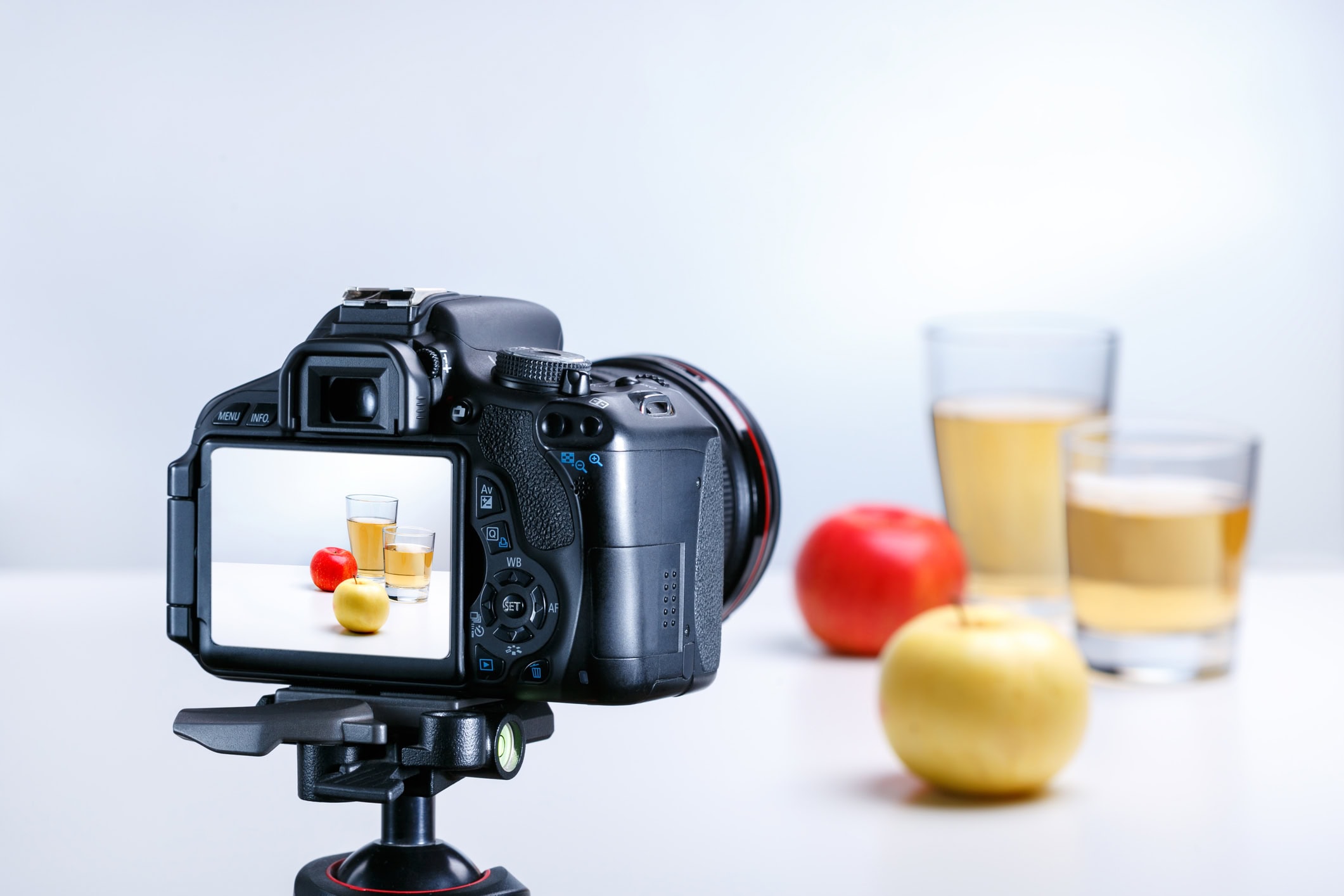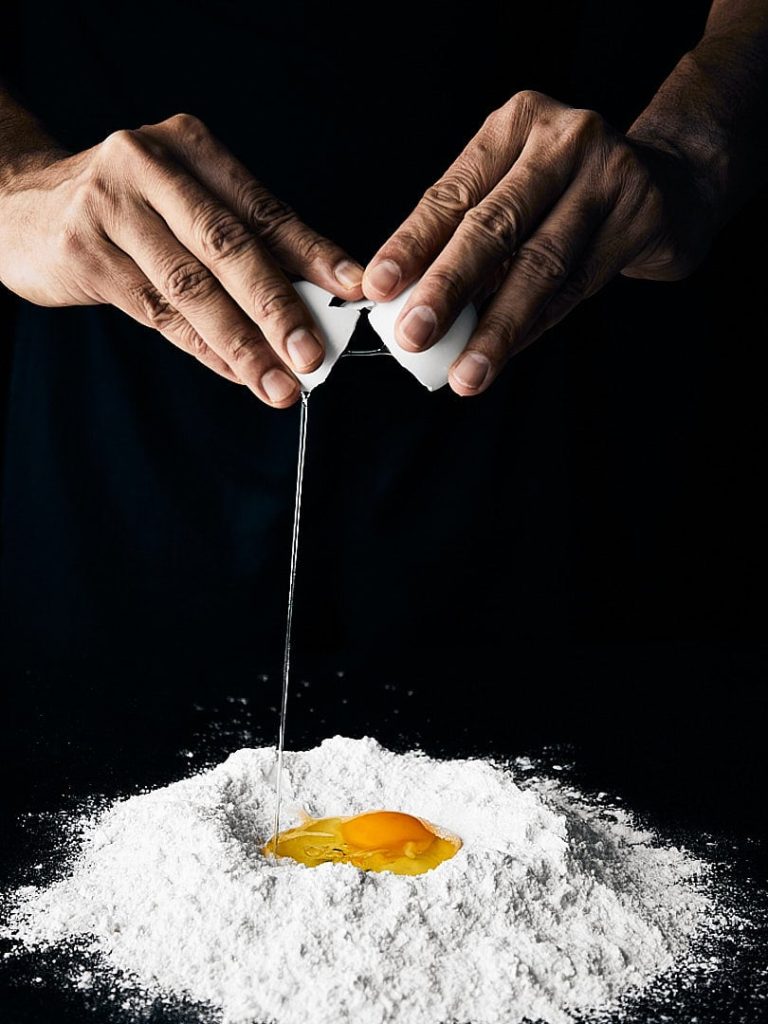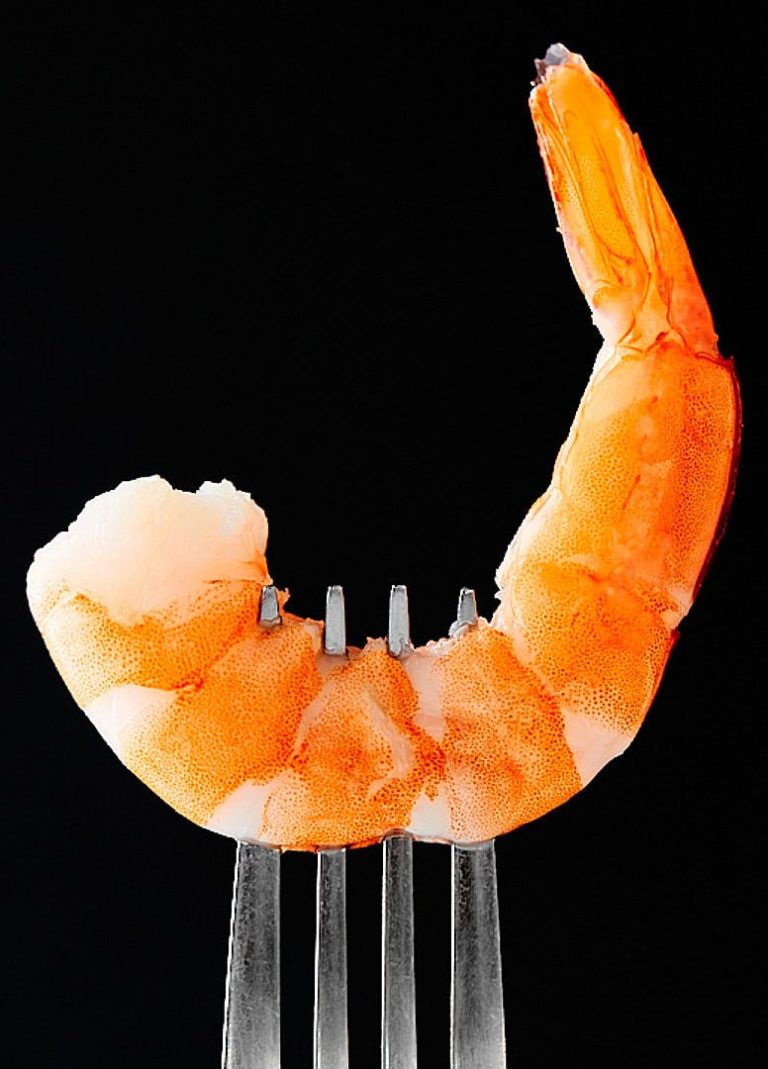

You’ve probably heard the saying, ‘less is more’. If negative space photography had a slogan, those three words would capture it perfectly. Picture this: a single, vibrant strawberry resting on a stark white background. The eye goes straight to the subject, captivated by its simplicity. That’s negative space working its magic.
Jump to:
I used to be afraid of leaving any empty space, cramming details into my shots. But as I experimented, I realized that negative space creates a sense of focus and elegance that was missing before.
Ready to give your food photography some breathing room? Let’s explore!
What is Negative Space?
Forget everything you think you know about filling the frame. Negative space, also known as white space, blank space, or empty space, is the area surrounding the main subject or focal point in a photograph that is devoid of elements or details. Let’s ditch the fancy jargon. In simpler terms, negative space is simply the empty areas surrounding your main subject. It’s the background, the foreground, and everything in between that isn’t the main attraction. Negative space lends a sense of visual pause to your image.
Negative space has been a fundamental element in painting, sculpture, architecture, and graphic design for centuries. It provides artists with a way to create balance in their work, and directs the viewer’s attention to the main focal points of their creation.

Imagine a Spotlight: Negative space is like turning on a spotlight for your food. Without that empty space around it, the details and colors might get lost in a cluttered frame.
Why it Matters:
- Focus: Negative space guides the eye directly to what’s important, ensuring your viewers don’t get lost in a busy scene.
- Minimalism: Clean and sophisticated compositions are all about negative space. It helps achieve a minimalist aesthetic.
- Impact: Sometimes, the emptiness is what makes an image truly powerful. Negative space can create a sense of isolation, or emphasize the vastness of a scene.
What is Positive Space?
Think of positive space as the star of the show! It’s the part of your photo that holds the main subject — the food, the props, any interesting textures or elements that demand attention. Positive space grabs the eye and tells the viewer exactly what the image is about.
The Positive Space is Ying to Negative Space’s Yang:
Positive and negative space go hand-in-hand. You can’t have one without the other. They balance each other out:
- Positive Space draws the eye in.
- Negative Space gives the eye breathing room.
Positive Space vs. Negative Space
It’s not a competition — it’s a collaboration! Positive and negative space are two sides of the same coin. They need each other to create truly impactful images. Here’s how this partnership works:
- The Spotlight and the Stage: Positive space is your star performer, demanding attention. Negative space is the stage, allowing that performance to shine.
- Balance is Key: Too much positive space crowds the frame, leaving the eye unsure where to look. Too much negative space, and the subject might feel lost and insignificant. It’s all about finding the right balance.
- Shaping the Mood of Your Image: Positive space can feel busy and energetic, while negative space creates a sense of calmness or minimalism.
How do you use them together?
The beauty is, there’s no single right way. Consider these questions:
- What’s your goal? Emphasize a single ingredient? Create a dramatic mood? These answers will guide your negative-positive space ratio.
- Do they complement each other? Are the shapes and textures of your positive and negative space working in harmony?
Let’s imagine some examples:
- Balanced Harmony: Imagine a slice of decadent chocolate cake centered on a clean white plate, against a white background. The cake (positive space) is the star, but the negative space (the white plate and the white background) gives it room to breathe, and keeps the composition elegant.
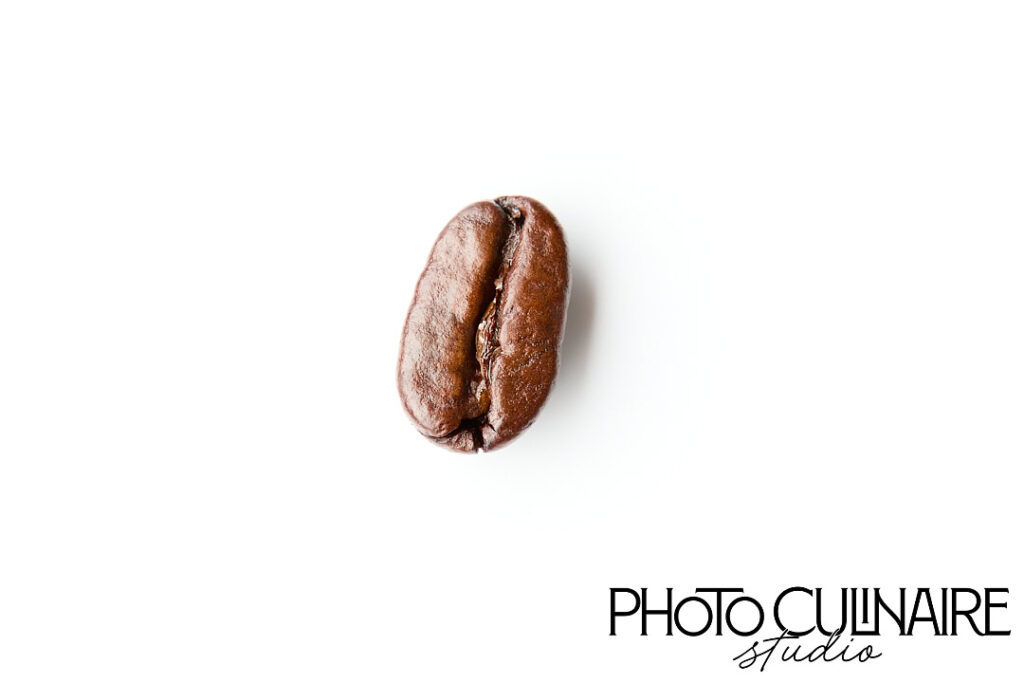
- Minimalist Drama: Picture a single, perfectly roasted coffee bean resting on an all white background. The negative space here creates a sense of isolation and drama, drawing all the attention to the detailed textures of the bean.
- Energy and Abundance: Think of a rustic wooden table overflowing with various colorful ingredients for a homemade pizza. The positive space (the ingredients) feels abundant and energetic, while the negative space (peeks of the wooden table) adds a touch of warmth and texture.
Why Use Negative Space in Food Photography?
Think of negative space as one of the most powerful tools in your photography toolkit. Here’s why it works so well:
- The Spotlight Effect: Negative space frames your food like a stage spotlights a performer. No more distractions — your main subject becomes the undeniable star.
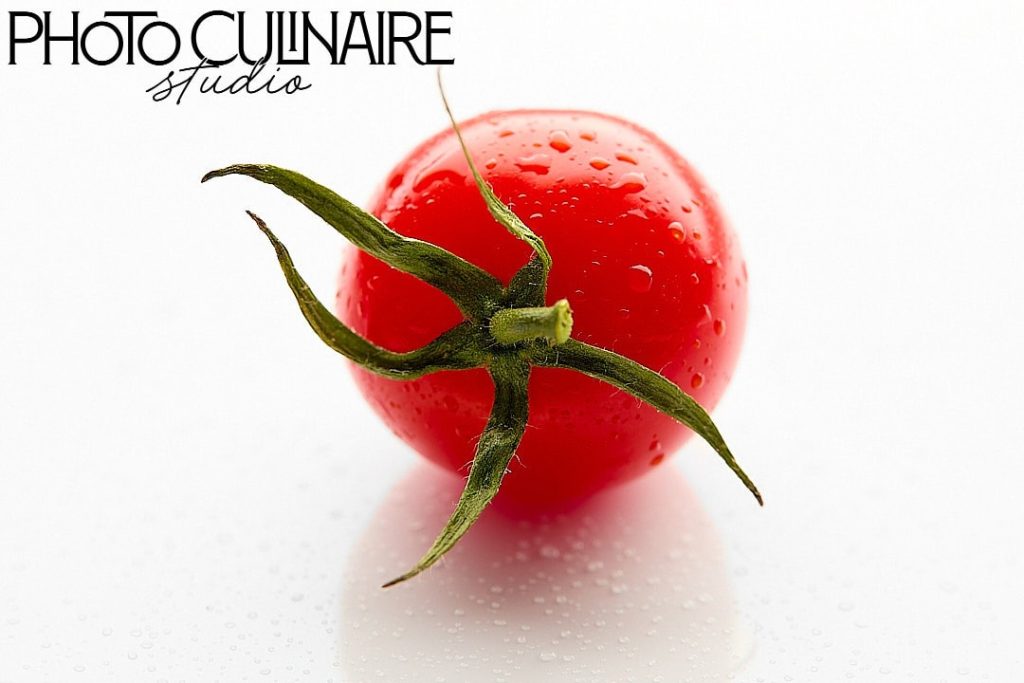
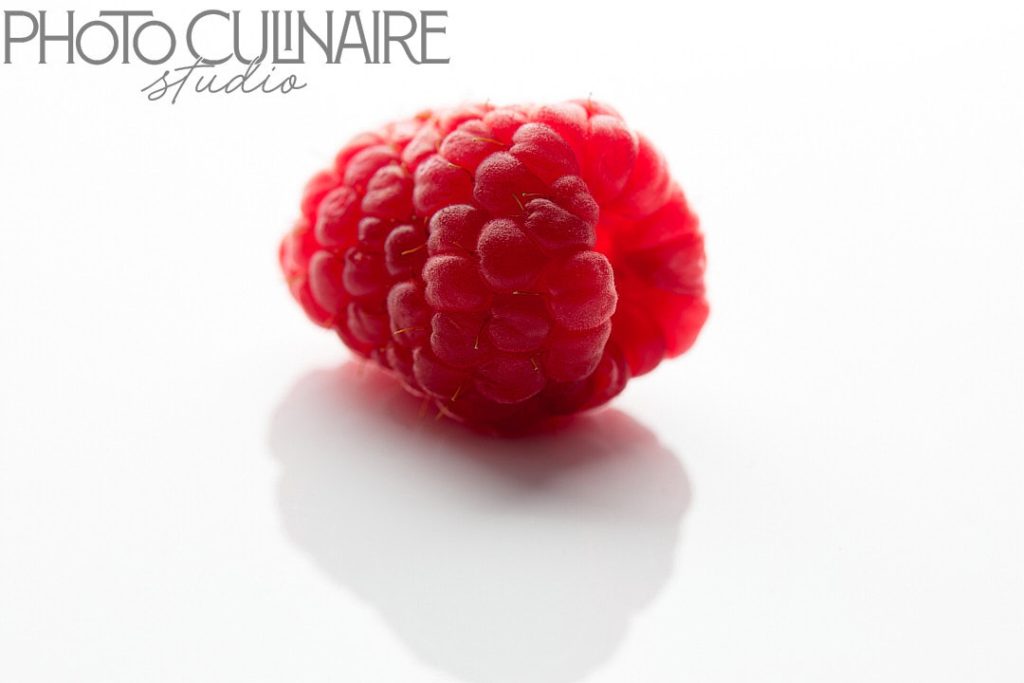
- Breathing Room: Negative space acts as breathing room for your eyes, allowing the main subject to stand out without feeling crowded. This space lets your composition breathe, enhancing visual comfort and focus.
- Clarity is Key: Negative space banishes distractions. Your eye instantly zeroes in on what matters, making it crystal clear what the image is all about.
- Stirring Curiosity: A splash of negative space creates a sense of mystery. It makes viewers wonder, ‘What’s the story behind this subject?’.
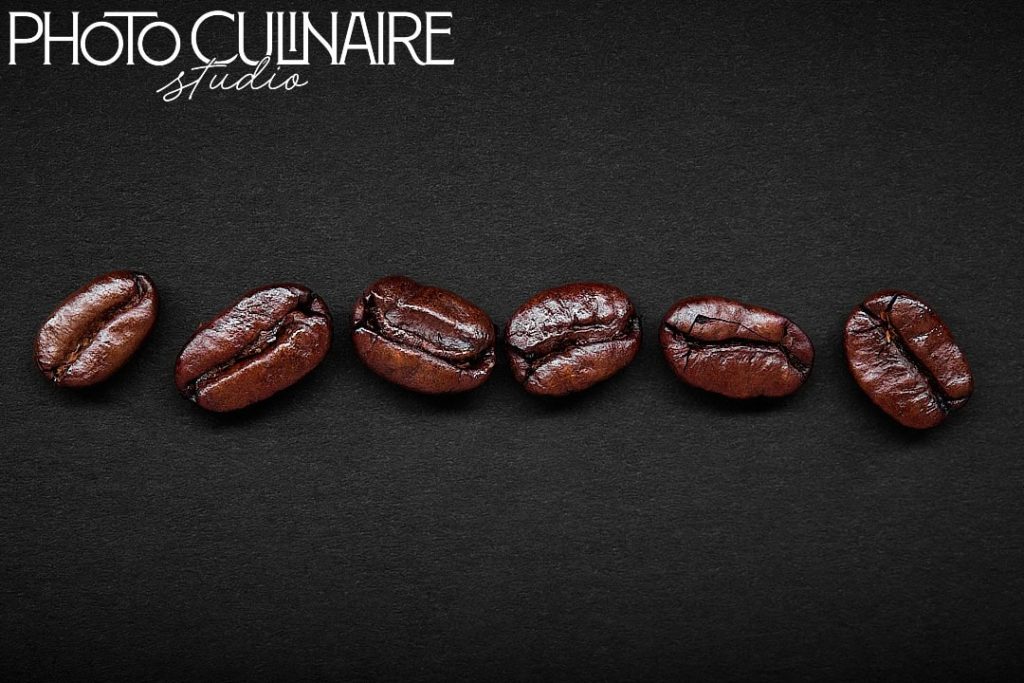
- Drama and Impact: Empty space can be just as powerful as the subject itself. It amps up the drama, and makes your image unforgettable.
- Balance is Everything: Think of negative space as the visual equivalent of a deep breath. It balances out the busyness of your composition, making the entire image feel harmonious.
- Depth and Dimension: Cleverly used negative space tricks the eye into seeing your photo in 3D. Suddenly, it’s not just a picture, but an experience.
- Minimalist Magic: Craving that clean, impactful style? Negative space is the secret ingredient for minimalist food photography.
- Room for Text: Ever designed a magazine ad or a brochure? Negative space is essential when you need to overlay text without crowding your image.
- Simplicity Sells: Our brains love simplicity. Negative space helps you create those clean, eye-catching shapes that draw people in.
- Setting the Mood of the Image: Negative space can set the entire tone of your photo. Peaceful, airy, dramatic — the choice is yours!
Pro Tip
Negative space is a favorite among food brands because it highlights the product, and keeps all attention on the star of the photo.
How to Use Negative Space in Food Photography
Effective use of this concept can result in some truly stunning images across all genres of photography, and especially food photography.

Ready to give your subject some breathing room? Let’s break down the steps:
1. Pick a Subject — The Star of the Show
What’s the focus? Choose your main subject — maybe a single, gorgeous strawberry, a rustic bowl brimming with soup, or a vibrant plate of pasta.
Pro Tip
If you love isolating tiny details with lots of breathing room, macro food photography pairs beautifully with negative space.
2. Background Basics
Keep it simple to start!
A straightforward method to incorporate negative space in photography is by using a background that is simple, and free from distracting elements.
Solid colors, a clean white tablecloth, white/neutral colored walls, a wooden table make great backdrops that won’t steal the spotlight. Textured backgrounds can work, but make sure they add to the composition without becoming a distraction.
3. Now Create the Negative Space — by providing some Breathing Room for your Subject
This is where the magic happens! Place your subject with plenty of space surrounding it. Play around with the amount of space — a little can be impactful, a lot can be dramatic.
You can also create passive negative space by cropping your photo to include more empty areas. Additionally, adjust the placement of elements in your image to introduce small pockets of space, known as micro-negative space.
4. Consider other Elements and Details in the Scene
Time to consider your supporting cast. A sprinkle of herbs, a vintage spoon, or a patterned napkin can add interest, but they should complement your main subject, not fight for attention.
5. Finding the Sweet Spot — Creating Balance between Negative and Positive Balance
Too little negative space feels cramped, but too much can make your photo feel lost. When deciding how much negative space to use, consider your subject, background, composition, and the story you’re telling. A useful guideline is to balance the visual weight between your main subject and the negative space, ensuring they complement rather than compete with each other, to achieve a harmonious photographic balance.
Here’s where some photography basics come in handy:
- Rule of Thirds: To achieve balance between negative and positive space, consider using the rule of thirds. This guideline divides your photo into nine equal parts by intersecting lines, and suggests placing your subject along one of these lines or at their intersections. Choosing the right camera angle for food photography also helps you control how negative space feels in the frame.
- Symmetry vs. Asymmetry: A perfectly centered subject can feel calming and elegant, while off-center compositions add a touch of playful energy.
- Contrast is Key: Light vs. dark, bright vs. neutral colors — these differences help your subject pop against the negative space. Directional lighting like side lighting in food photography can make that contrast even stronger.
- Use Shapes and Lines: Employ shapes and lines within your composition to guide the viewer’s eye towards the main subject, enhancing focus and adding a dynamic flow to your photo.
6. Keep it Clean, Simple and Minimal — Less is more!
Minimalism is the name of the game! Negative space photography is all about making a powerful statement with less. Don’t be afraid to experiment, but strive for a clean, impactful image overall.
Always Remember: There’s No Right or Wrong Way
The beauty of negative space is its flexibility! These are guidelines, not hard-and-fast rules. Experiment, break them a bit, and see what magic you create:
- Texture Play: Don’t be afraid to experiment with textured backgrounds. Think of a rustic wooden table with a simple bowl of soup — the textures can complement each other beautifully.
- Embrace Imperfection: Off-center compositions, or unexpected pops of color can add personality and energy to your photos.
- Let the Story Guide You: Sometimes, a cluttered background might be exactly what your story needs! Maybe you’re showcasing a bustling food market, or a festive dinner gathering. Embrace the energy!
Conclusion
Negative space is not just about minimalism. It’s about intention. It’s a tool to guide the eye, set a mood, and elevate your food photos from ordinary to extraordinary. By mastering the balance between positive and negative space, you’ll unlock a whole new level of visual storytelling.
Remember, there’s no single perfect way to use negative space. Embrace experimentation, break some rules, and let your creativity shine! The results might surprise you.
If you’re looking for more practical techniques, check out these negative space tips and tricks for food photography where I share 21 ways to use this technique creatively.
Now, I’d love to hear from you:
- Have you used negative space in your food photography? Share your experiences and tips!
- What are your biggest challenges with this technique? Let’s help each other out!
. . . . .